The future of horticulture isn’t built alone
In conversation with Mirjam Boekestijn
What does it take to stay relevant in a world that’s constantly shifting?
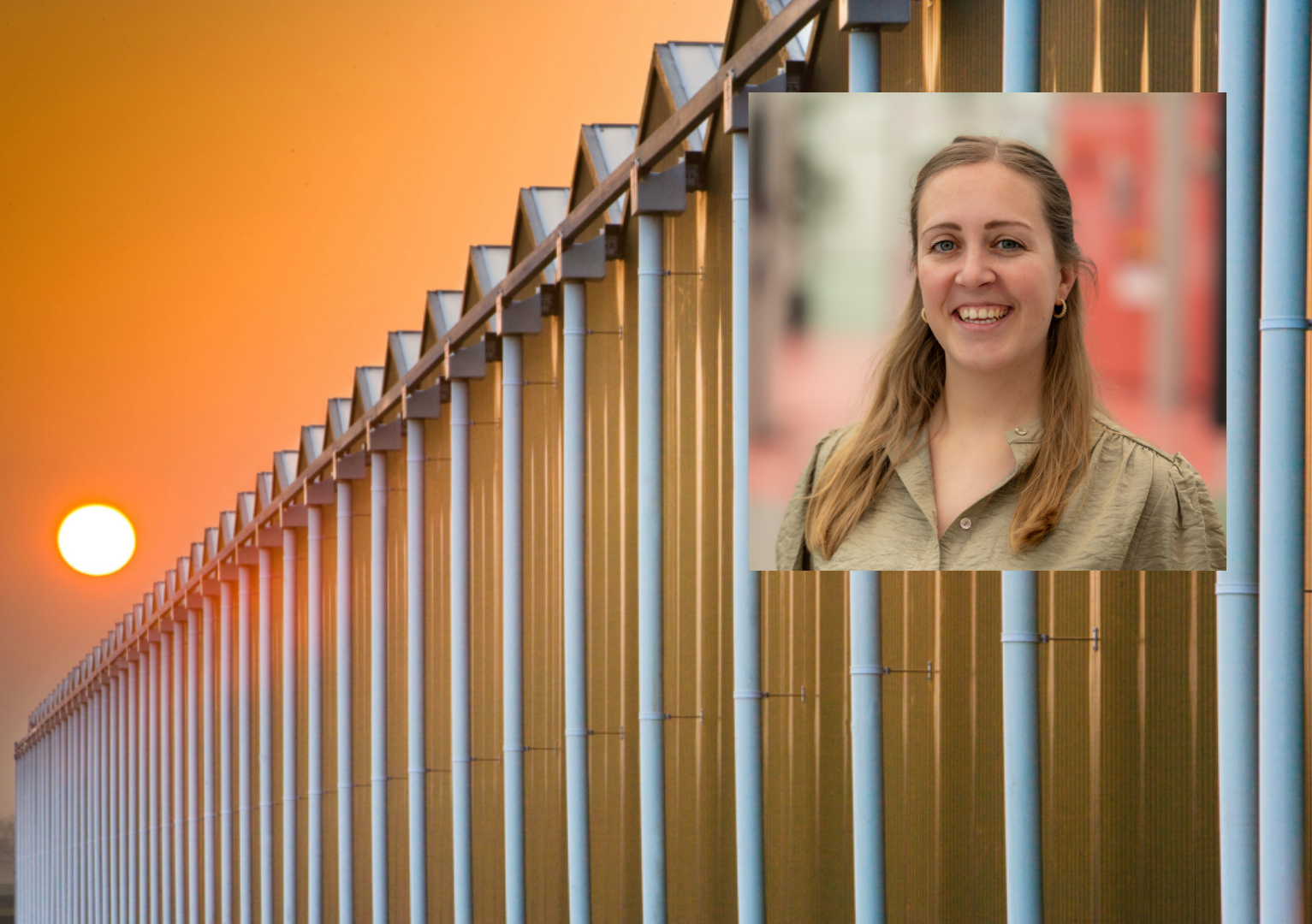
That’s the question at the heart of my conversation with Mirjam Boekestijn, CEO of Dutch Greenhouse Delta. Raised in a grower’s family and now operating at the intersection of business, government, and knowledge, she has a clear view on where the sector stands and where it needs to go.
No sugarcoating. Just reality.
A sector full of opportunity. Under pressure.
Globally, horticulture is gaining attention. Food security is climbing political agendas. Demand is there.
But at the same time?
Geopolitics is shifting. Investments are slowing down. Interest rates are high. Markets like the US, China, and the Gulf are becoming more complex.
“It’s a promising, but challenging time,” Mirjam explains.
Growth is still happening—but unevenly.
High-tech greenhouse systems dominate in North-West Europe and North America. Meanwhile, other regions are scaling through low- and mid-tech solutions.
Different speeds. Different realities.
One thing stays constant: innovation is still the engine.
The Dutch strength? It’s never just the tech.
The Netherlands is known for greenhouse technology. But that’s only part of the story.
“Our strength is the combination,” Mirjam says.
Technology, knowledge, cultivation systems, logistics, financing, organization.
An ecosystem.
And that’s exactly where it gets interesting.
Because exporting a greenhouse is easy.
Exporting a working food production system? That’s a different game.
It requires collaboration. Alignment. Critical mass.
And that’s also where the risk sits.
If the Dutch sector loses scale at home, it risks losing its innovation power.
No testing ground = no progress.
Time to drop the orange glasses
There’s another uncomfortable truth.
“We still tend to look at the world from a Dutch perspective,” Mirjam says.
What works here doesn’t automatically work elsewhere.
Different climates. Different cultures. Different business models.
So the question shifts from:
How do we export what we have?
to
How do we adapt what we know?
Localization isn’t optional anymore. It’s essential.
And collaboration goes beyond borders too.
India brings engineering power. Japan leads in robotics.
The Netherlands won’t stay ahead by doing everything alone.
Food security is bigger than horticulture
Yes, greenhouse horticulture has a massive role to play in feeding the world.
Efficient production. Less water. More control. Higher quality.
But it’s not a standalone solution.
“You can’t look at horticulture in isolation,” Mirjam explains.
Water, energy, logistics, financing it’s all connected.
Especially in emerging markets, challenges stack up:
- Limited knowledge of protected cultivation
- Weak logistics chains
- High financing costs
- Fragmented markets
The opportunity is there. But it doesn’t unlock itself.
It takes time. Investment. And again: collaboration.
From grower to system thinker
The role of the grower is changing fast.
Forget the traditional image.
The grower of the future is:
- Data-driven
- Strategically minded
- Surrounded by specialists
- Running a business, not just a crop
Autonomous greenhouses and data-driven cultivation are accelerating this shift.
The human doesn’t disappear.
The role evolves.
From operator to orchestrator.
So what does the future ask from us?
Not more technology.
Not more ambition.
But better alignment.
Because international impact doesn’t just happen.
It’s organized.
And that’s the real takeaway.
If the Dutch horticulture sector wants to stay relevant globally, it needs to:
- Work as one ecosystem
- Adapt to local realities
- Build integrated solutions
- And collaborate, across companies, sectors, and countries
No shortcuts.
Just smart, structured growth.
Final thought
“We don’t need to lose confidence,” Mirjam says.
“But we do need to evolve.”
The opportunity is still there.
The demand is still growing.
Now it’s about how we show up.
Together.