
On 24 September, the Africa Business Dialogue took place in Ede, organised by the Netherlands Enterprise Agency (RVO) and the Netherlands African Business Council. On behalf of Dutch Greenhouse Delta (DGD), Frederik Vossenaar attended the event, which brought together around 200 stakeholders from government, business and knowledge institutions.
The central message of the day was clear: Africa is rapidly emerging as an important region for economic growth and strategic investment. Driven by a young and fast-growing population, rapid urbanisation and abundant natural resources, the continent is developing into a major centre of consumption and production. Seven of the world’s fifteen fastest-growing economies are currently in Africa, and total consumer spending is expected to triple by 2060. At the same time, expanding urban centres across Sub-Saharan Africa are creating significant opportunities for retail, infrastructure and the production of food.
Agrifood and horticulture as key focus areas
Food production and agrifood systems were central themes throughout the event. Several presentations highlighted the increasing importance of reliable data to strengthen and connect agrifood supply chains with European and other high-value markets. In addition, attention was given to the development of new logistics corridors that are essential for improving trade flows and market access.
One notable example discussed was the Lobito Corridor, spanning Zambia and Angola, which is being managed with involvement from a European consortium. The project illustrates how infrastructure investment can play a key role in unlocking regional agricultural potential and improving export capacity.
At the same time, Royal FloraHolland shared insights into how geopolitical developments in the Middle East are affecting the logistics of exporting cut flowers to European markets, particularly in relation to seafreight routes. These examples underline the complexity and interdependence of global horticultural supply chains.
Strengthening horticulture development in Africa
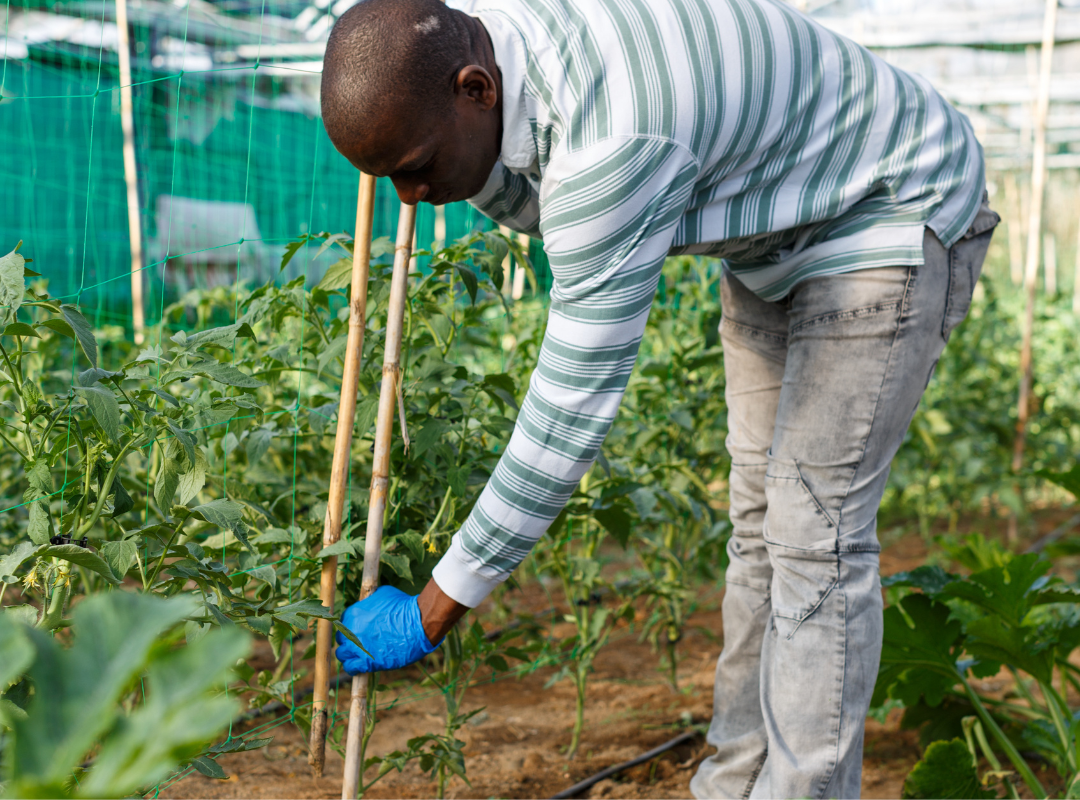
The Dutch government makes great effort to promote doing business in Africa, with horticulture identified as one of the most promising sectors. RVO’s private sector development coaches emphasised the strong relevance of horticultural development in countries such as Kenya and Senegal, where demand for knowledge, technology and investment is increasing.
In Senegal specifically, a new sector report published last month highlights concrete opportunities for the Dutch horticulture sector. Horticulture is a key focus within CombiTrack programmes across multiple African countries, which support structured cooperation and market development.
Study on efficient horticulture in Africa
The growing attention for Africa aligns closely with a study currently being carried out by Dutch Greenhouse Delta, commissioned by the Netherlands Food Partnership. This study explores how Dutch public-private partnerships can further strengthen opportunities for more efficient and resilient horticultural ecosystems in selected African countries.
Climate change and the rise of a more health-conscious and wealthy middle class are important drivers that accelerate the shift from traditional open-field cultivation towards controlled environment agriculture (CEA), where productivity, resource efficiency and quality can be significantly improved.
Looking ahead
The developments discussed at the Africa Business Dialogue confirm the increasing strategic relevance of Africa for the Dutch horticulture sector. For Dutch Greenhouse Delta, this reinforces the importance of continued collaboration between government, industry and knowledge partners to support sustainable growth and long-term food system resilience across the continent.